
Philosophy

The drum is still unfinished.

Robot begins with a simple pressure test: if drums were invented today, what would they become?

Not as a rejection of history. As a refusal to let history make every decision before the work even starts.

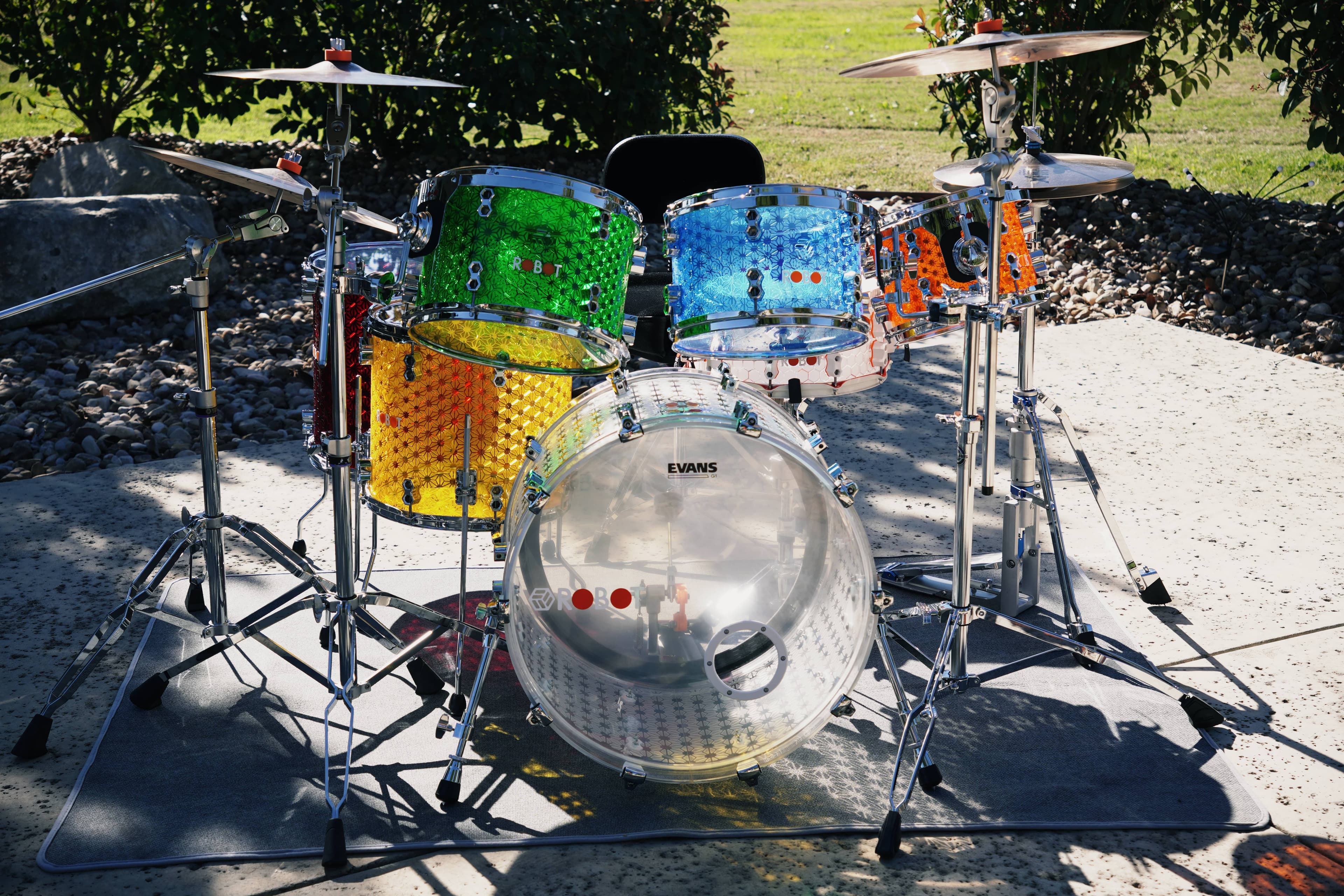
A Robot drum photographed as a contemporary design object.

Robot drum

Form, mechanism, material, and response treated as one problem.

Object / Instrument

First principles

One design problem.

Shell
Air
Mass
Venting
Hardware
Surface
Tolerance
Room

01 / Starting Point

Do not begin with the costume.

Most drums still inherit their shape, hardware language, and visual codes from earlier instruments. Some of that history is useful. Some of it is just habit.

Robot starts by asking what still earns its place. Shell, hardware, air, mass, material, finish: all of it goes back on the table.

01

The past is a reference, not a boundary.
02 / Design

Design is not a finish layer.

The way a drum looks should know something about how it behaves. Proportion, venting, shell structure, printed texture, lug geometry, and throwoff movement are not separate conversations.

A Robot drum should feel coherent before it makes a sound, and more coherent after it does.

02

Surface is not enough.

03 / Manufacturing

The tool is part of the authorship.

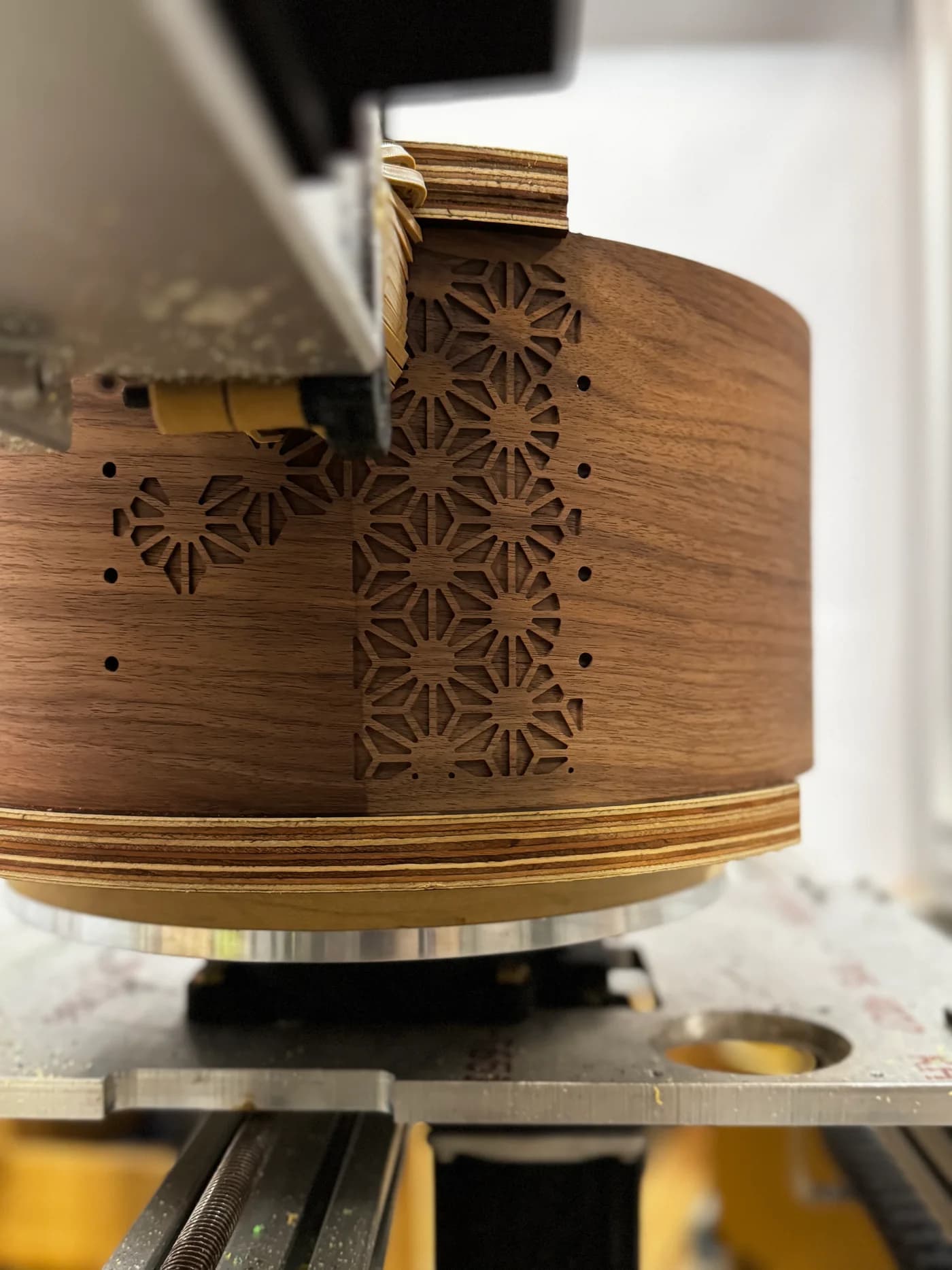
Modern manufacturing is not hidden here as a production shortcut. It is part of the vocabulary. Machining, additive processes, fixtures, tolerances, and repeatable tooling change what can exist.

The point is not to make technology visible for its own sake. The point is to let better tools make better decisions possible.

03

Precision can have a voice.

04 / Presence

Build for the room the instrument lives in now.

Drums are heard, but they are also seen, lifted, tuned, photographed, recorded, and lived with. They sit in studios, stages, homes, shops, and images.

Contemporary objects deserve contemporary instruments: not novelty, not nostalgia with a higher price, but drums with a reason to be the way they are.

04

Designed for the present tense.

Machining work for a Robot drum pattern.

Process

The manufacturing method is not downstream of the idea. It changes the idea.

Tool / Mark

Position

A design studio whose medium happens to be drums.

Robot is not trying to make vintage instruments more luxurious. It is trying to build instruments that make sense inside contemporary music, contemporary rooms, and contemporary manufacturing.

Standards

What the work has to refuse.

  • No retro costume.
  • No ornament without consequence.
  • No hardware treated as an afterthought.
  • No apology for modern tools.
  • No separation between the visual object and the acoustic one.

Contemporary objects deserve contemporary instruments.

The answer has to be physical. It has to survive tuning, rooms, hands, microphones, shipping, repetition, and attention. That is the point: not a statement about drums, but drums that make the statement real.